Burnout Symptoms and Recovery: A Therapist's Guide to Healing Chronic Stress

Counseling Psychologist
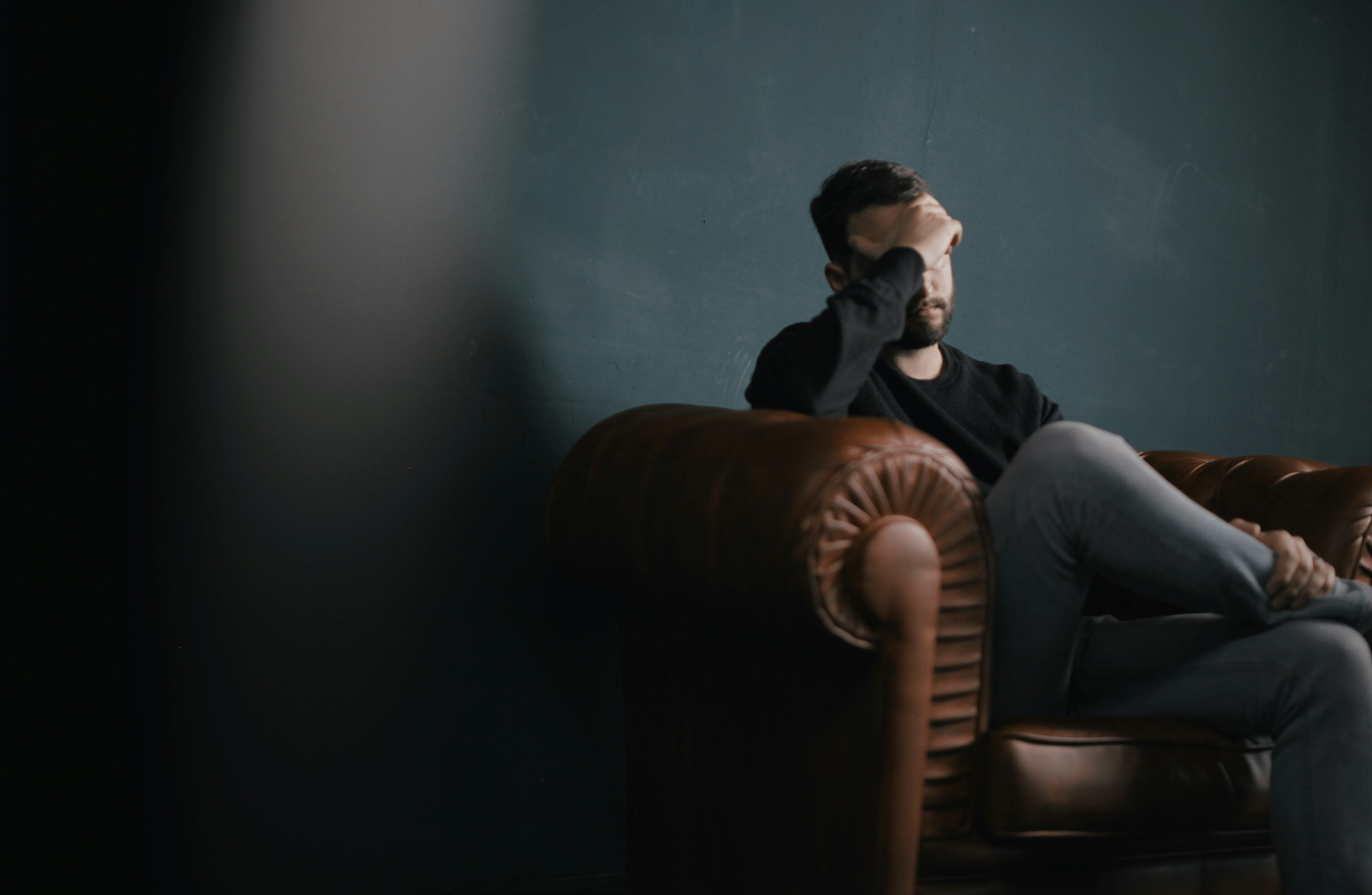
Burnout symptoms and recovery are becoming increasingly important topics in today's fast-paced world. Whether you are a working professional, student, parent, or caregiver, chronic stress can silently build up until it impacts your mental, emotional, and physical well-being. As a counseling psychologist, I often meet individuals who don't realize they are experiencing burnout until it begins to affect their relationships, productivity, and health.
In this guide, we will explore the key signs of burnout, its underlying causes, and evidence-based recovery strategies that can help you regain balance and emotional resilience.
What Are Burnout Symptoms?
Burnout is not just about feeling tired after a long day. It is a state of emotional, mental, and physical exhaustion caused by prolonged and unmanaged stress. In clinical practice, burnout often develops gradually, making it difficult to identify early.
Common emotional symptoms
- Feeling drained, overwhelmed, or emotionally exhausted
- Loss of motivation or enthusiasm
- Increased irritability or frustration
- Feeling detached or numb
Physical symptoms
- Chronic fatigue and low energy
- Frequent headaches or body aches
- Sleep disturbances
- Changes in appetite
Cognitive symptoms
- Difficulty concentrating
- Forgetfulness
- Reduced productivity
- Negative thinking patterns
Recognizing these burnout symptoms early is the first step toward effective recovery.
What Causes Burnout?
Burnout does not happen overnight. It is usually the result of ongoing stressors combined with limited coping resources.
Work-related causes
- Excessive workload
- Lack of control or autonomy
- Unclear expectations
- Poor work-life balance
Personal factors
- Perfectionism
- People-pleasing tendencies
- Lack of boundaries
- Low self-esteem
Environmental influences
- Lack of social support
- High-pressure environments
- Family responsibilities
As a counseling psychologist, I often see burnout linked not just to external demands but also to internal beliefs such as "I must always perform perfectly" or "I cannot say no."
Burnout vs Stress: What's the Difference?
While stress and burnout are related, they are not the same. Stress usually involves too much: too many demands, too many pressures. Burnout, on the other hand, is about not enough-feeling empty, unmotivated, and disconnected.
Understanding this difference is crucial because burnout requires deeper emotional recovery, not just short-term relaxation.
Burnout Recovery: Practical Strategies That Work
Burnout recovery is possible with consistent and intentional effort. Here are therapist-recommended strategies that I use with clients in both online and in-clinic sessions in Ghaziabad.
1. Acknowledge and accept burnout
The first step is recognizing that you are experiencing burnout. Avoid minimizing your feelings. Acceptance allows you to take meaningful action.
2. Set healthy boundaries
Learn to say no without guilt. Protect your time and energy by setting limits at work and in personal relationships.
3. Prioritize rest and recovery
Rest is not a luxury-it is essential. Focus on quality sleep, regular breaks, and downtime without screens.
4. Reconnect with meaningful activities
Engage in hobbies or activities that bring joy and fulfillment. This helps rebuild emotional energy.
5. Practice emotional awareness
Journaling, mindfulness, or therapy can help you process emotions and reduce internal stress.
6. Seek professional support
Therapy can provide structured guidance to understand burnout and develop coping strategies. You can explore professional support through therapy sessions tailored to your needs.
How Therapy Helps in Burnout Recovery
In clinical practice, therapy plays a crucial role in helping individuals recover from burnout. It is not just about managing symptoms but addressing the root causes.
Therapy focuses on:
- Identifying stress triggers
- Challenging unhealthy thought patterns
- Building emotional resilience
- Developing practical coping skills
As a counseling psychologist, I integrate evidence-based approaches such as Cognitive Behavioral Therapy (CBT) and stress management techniques to support recovery.
When to Seek Help for Burnout
It is important to seek professional help if:
- Your symptoms persist for weeks or months
- You feel emotionally numb or disconnected
- Your work or relationships are affected
- You experience anxiety or depressive symptoms
Early intervention can prevent burnout from developing into more serious mental health conditions.
Self-Assessment and Awareness
If you are unsure whether you are experiencing burnout, self-assessment tools can provide clarity. You can explore helpful mental health tools through online screeners to better understand your emotional state.
Burnout Recovery Takes Time
Recovery from burnout is not immediate. It is a gradual process that involves rebuilding your energy, redefining priorities, and creating sustainable habits.
"Healing from burnout is not about doing more. It is about doing what truly matters in a balanced and mindful way."
Be patient with yourself and celebrate small improvements along the way.
Support at State of Mind Therapy
At State of Mind Therapy, we offer both online and in-person sessions in Ghaziabad to support individuals dealing with burnout, stress, and emotional exhaustion. Our approach is compassionate, structured, and tailored to your unique needs.
You can learn more about our approach and expertise by visiting our practice or explore our clinic details at our Ghaziabad clinic.
Take the First Step Toward Recovery
If you are experiencing burnout symptoms, you don't have to manage it alone. Seeking help is a sign of strength, not weakness.
Book a session today and begin your journey toward emotional balance, clarity, and well-being through professional therapy support.
Disclaimer: This article is for informational purposes only and should not be considered a substitute for professional medical or psychological advice. Please consult a qualified mental health professional for diagnosis and treatment.
Need support? Start with a free consultation.
Your first session is free. No payment required.
Book Free Consultation