Anxiety Disorder Symptoms and Treatment: A Complete Guide for Lasting Relief

Counseling Psychologist
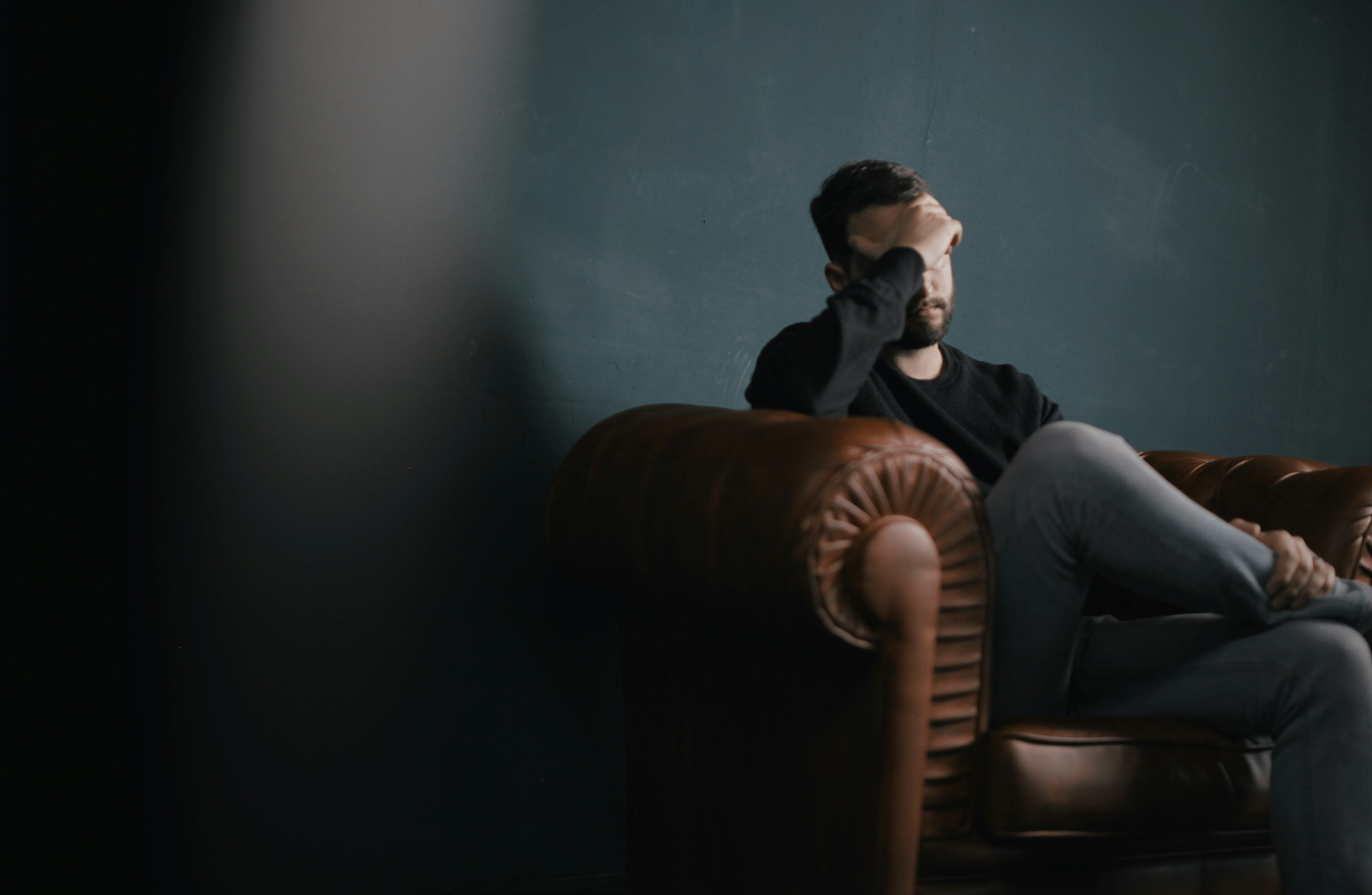
Anxiety disorder symptoms can feel overwhelming, confusing, and even frightening if you don't understand what's happening in your mind and body. Many people experience persistent worry, racing thoughts, or physical discomfort without realizing that these are treatable mental health conditions. As a counseling psychologist, I often see individuals who have silently struggled with anxiety for years before seeking help. The good news is that anxiety disorders are highly manageable with the right support, tools, and therapy.
In this guide, we'll explore anxiety disorder symptoms, causes, types, and effective treatment options so you can better understand your experience and take the first step toward recovery.
What Are Anxiety Disorders?
Anxiety disorders are a group of mental health conditions characterized by excessive fear, worry, or nervousness that interferes with daily life. While occasional anxiety is a normal response to stress, anxiety disorders go beyond temporary feelings and can become chronic if left untreated.
In clinical practice, anxiety is often not just about "overthinking." It can affect your body, behavior, sleep, relationships, and overall quality of life.
Common Anxiety Disorder Symptoms
Anxiety symptoms can vary from person to person, but they generally fall into three main categories: emotional, physical, and behavioral.
Emotional Symptoms
- Persistent worry or fear
- Feeling restless or on edge
- Difficulty concentrating
- Anticipating the worst-case scenarios
Physical Symptoms
- Rapid heartbeat or palpitations
- Shortness of breath
- Muscle tension
- Sweating or trembling
- Fatigue or weakness
Behavioral Symptoms
- Avoiding situations that trigger anxiety
- Seeking constant reassurance
- Difficulty completing tasks
- Sleep disturbances
As a counseling psychologist, I often notice that many individuals initially focus only on physical symptoms, mistaking anxiety for a medical condition. This is why early screening can be helpful. You can explore self-assessment tools at /screeners.
Types of Anxiety Disorders
Understanding the type of anxiety you're experiencing can help guide treatment.
Generalized Anxiety Disorder (GAD)
Characterized by excessive worry about everyday events such as work, health, or family, even when there is no clear reason to worry.
Panic Disorder
Involves sudden episodes of intense fear known as panic attacks, often accompanied by physical symptoms like chest pain or dizziness.
Social Anxiety Disorder
Fear of social situations, often driven by concerns about being judged or embarrassed.
Phobias
Intense fear of specific objects or situations such as heights, flying, or animals.
Separation Anxiety
More common in children but also seen in adults, involving excessive fear of being away from loved ones.
If you're unsure which type you might be experiencing, a professional evaluation can provide clarity. You can book a session for a detailed assessment.
What Causes Anxiety Disorders?
Anxiety is not caused by a single factor. It is usually a combination of biological, psychological, and environmental influences.
Biological Factors
- Genetic predisposition
- Brain chemistry imbalances
Psychological Factors
- Negative thinking patterns
- Low self-esteem
- Poor stress coping skills
Environmental Factors
- Trauma or stressful life events
- Work pressure or burnout
- Relationship conflicts
In clinical practice, anxiety often develops gradually and becomes more intense when left unaddressed.
How Anxiety Affects Daily Life
Untreated anxiety can impact various areas of life:
- Reduced work performance
- Strained relationships
- Poor sleep quality
- Low confidence and self-worth
Many people normalize their anxiety until it starts interfering significantly with daily functioning. Recognizing the impact is an important step toward change.
Effective Treatment Options for Anxiety
The good news is that anxiety disorders are highly treatable. With the right approach, individuals can regain control and lead fulfilling lives.
1. Cognitive Behavioral Therapy (CBT)
CBT is one of the most effective treatments for anxiety. It focuses on identifying and changing negative thought patterns and behaviors.
As a counseling psychologist, I use CBT techniques to help clients challenge irrational fears and build healthier coping strategies.
2. Mindfulness and Relaxation Techniques
- Deep breathing exercises
- Meditation
- Progressive muscle relaxation
These techniques help regulate the nervous system and reduce physical symptoms of anxiety.
3. Lifestyle Changes
- Regular physical activity
- Balanced diet
- Adequate sleep
- Limiting caffeine and alcohol
Small daily changes can significantly improve mental well-being over time.
4. Medication (When Needed)
In some cases, medication may be recommended by a psychiatrist, especially when symptoms are severe.
5. Therapy for Underlying Issues
Addressing past trauma, relationship challenges, or self-esteem issues can provide long-term relief.
You can learn more about therapy approaches and services at /about or visit our /clinic in Ghaziabad.
When Should You Seek Help?
You should consider professional help if:
- Your anxiety feels uncontrollable
- It interferes with daily life
- You experience frequent panic attacks
- You avoid situations due to fear
Seeking help is not a sign of weakness-it's a step toward strength and self-awareness.
Practical Tips to Manage Anxiety Daily
Here are some simple strategies you can start using today:
- Practice grounding techniques (focus on your senses)
- Set realistic daily goals
- Limit overexposure to stress triggers (like news or social media)
- Write down your worries to process them better
Consistency is key. Even small efforts can create meaningful change over time.
How Therapy Can Help You Recover
Therapy provides a safe, non-judgmental space where you can understand your anxiety, identify triggers, and build coping skills.
In clinical practice, I've seen clients move from constant worry and panic to feeling calm, confident, and in control. Recovery is possible with the right guidance and commitment.
Take the First Step Toward Relief
If you've been struggling with anxiety disorder symptoms, you don't have to face it alone. Early support can prevent symptoms from worsening and help you regain balance in your life.
Whether you prefer online therapy or in-person sessions in Ghaziabad, professional help is available to support your journey.
Ready to feel better?
Disclaimer
This content is for informational purposes only and should not be considered a substitute for professional medical or psychological advice. If you are experiencing severe symptoms, please consult a qualified mental health professional.
Need support? Start with a free consultation.
Your first session is free. No payment required.
Book Free Consultation